Carbon monoxide is an insidious threat that many homeowners are unaware of until it is too late. This invisible, odorless gas can pose serious health risks, making it crucial for property owners to be informed and proactive. Effective detection and prevention strategies are essential for maintaining a safe living environment. Professional inspections play a vital role in identifying potential hazards before they become life-threatening.
Understanding Carbon Monoxide Risks
Carbon monoxide is produced by incomplete combustion of fuels such as gas, oil, wood, or coal. Common sources include furnaces, water heaters, stoves, and fireplaces. Exposure to high levels can cause symptoms ranging from headaches and dizziness to more severe outcomes like unconsciousness or death. The Centers for Disease Control and Prevention (CDC) recommends maintaining safe levels below 9 parts per million (ppm) over an 8-hour period.
Prevention and Detection Strategies
Homeowners should implement several strategies to reduce carbon monoxide risks:
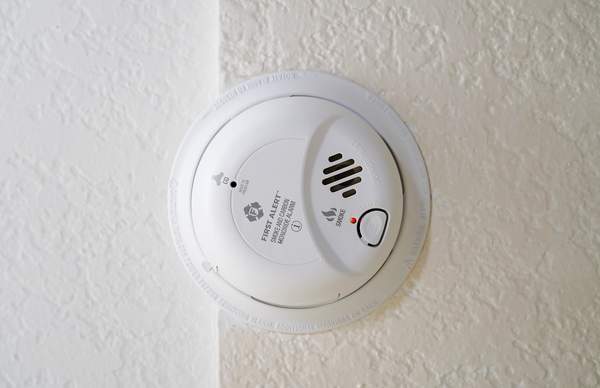
- Install detectors: Carbon monoxide detectors should be installed on each level of a home, especially near sleeping areas. These devices should be tested monthly, and batteries replaced annually or as needed.
- Ventilation: Ensure that all fuel-burning appliances are vented properly to the outside. Regularly check and clean vents and chimneys to prevent blockages.
- Regular Maintenance: Schedule annual inspections for heating systems, water heaters, and other gas, oil, or coal-burning appliances. Professional inspectors can detect potential issues that are not visible to the untrained eye.
Importance of Professional Home Inspections
Professional home inspections are essential in identifying carbon monoxide risks that may not be apparent to homeowners. Inspectors utilize specialized tools to measure carbon monoxide levels and verify the integrity of ventilation systems. They adhere to industry standards and regulations, ensuring a comprehensive assessment of the property’s safety.
Regular home inspections not only help in detecting carbon monoxide risks but also contribute to maintaining the overall safety and efficiency of a home. By engaging professional inspection services, homeowners can ensure a thorough evaluation and peace of mind.
In conclusion, understanding and mitigating carbon monoxide risks is crucial for ensuring a safe home environment. Homeowners are encouraged to adopt preventive measures and engage professional home inspection services to ensure comprehensive safety assessments and effective risk management.
Recent Comments